Italian Wine And Food Pairing Guide
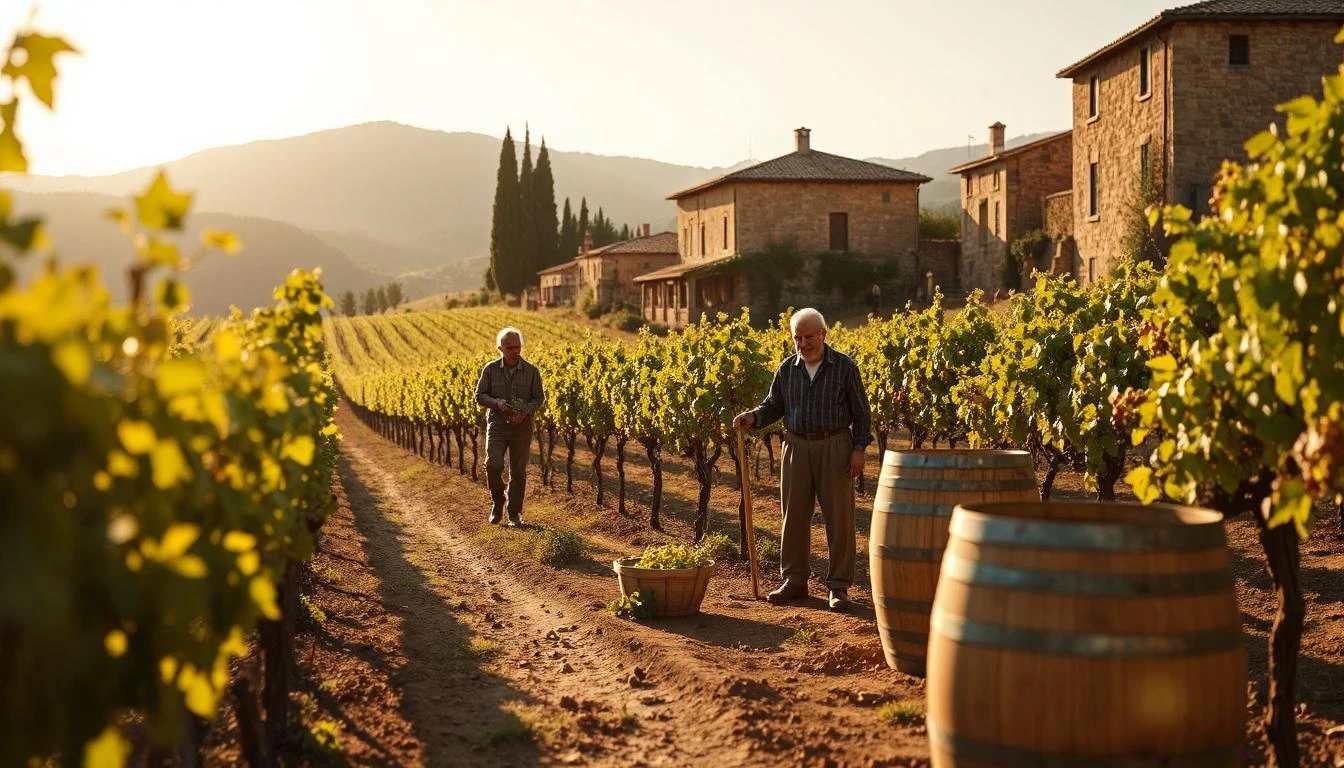
The world of Italian gastronomy is not just about eating, it is about sensing, interpreting, and experiencing layers of flavor that evolve with every bite and sip. When you step into the universe of pairing food with wine, you are actually stepping into a cultural dialogue shaped by centuries of tradition, regional pride, and culinary precision. It’s where rustic countryside meals meet refined vineyard craftsmanship, creating an experience that feels alive on the palate.
Italian dining has always been built on harmony between ingredients and beverages, and this harmony becomes even more expressive when explored through italian wine food pairing. Every region in Italy carries its own identity, from the bold reds of Tuscany to the crisp whites of Veneto, all designed to complement local cuisine in a way that feels almost instinctive. As chef Massimo Bottura once said, “Tradition is not the worship of ashes, but the preservation of fire,” a reminder that Italian culinary pairing is a living tradition rather than a rigid rule.
Basics of italian wine food pairing
Understanding the foundation of Italian pairing culture is essential before diving into specific combinations. This section introduces how balance, structure, and tradition guide every successful pairing decision, creating harmony between food and wine that feels effortless yet intentional.
The concept of wine pairing with italian dishes becomes the guiding keyword here, as it reflects how Italians naturally align flavors based on regional ingredients and sensory balance. According to sommelier Luca Maroni, “Wine is not judged alone, but in relation to the food it accompanies,” emphasizing that pairing is always contextual rather than isolated.
Understanding flavor balance
Flavor balance is the cornerstone of Italian dining logic. Rich dishes demand structured wines, while lighter meals require delicate companions. The goal is not dominance but equilibrium, where neither element overpowers the other, creating a seamless sensory flow that enhances every bite.
Acidity, sweetness, and tannin role
Acidity refreshes the palate, tannins add structure, and sweetness softens intensity. These three elements interact dynamically in every pairing scenario. When balanced correctly, they elevate dishes like pasta, grilled meats, or seafood into multi-layered culinary experiences that feel naturally complete.
Importance of regional pairing traditions
Italy’s culinary identity is deeply regional, meaning local wines are traditionally designed to match local dishes. This geographical harmony ensures that flavors naturally align, creating authentic dining experiences that reflect history, climate, and cultural evolution.
Best italian wine food pairing Combinations
Now that the fundamentals are clear, it becomes easier to explore how Italian wines interact with different categories of food. These combinations are not random, they are built on centuries of experimentation and tradition.
The concept of wine pairing with italian dishes plays a crucial role here, helping us understand why certain wines naturally elevate specific meals while others may clash. Italian cuisine thrives on this precision, where every pairing tells a regional story through taste.
Red wine with meat dishes
Bold red wines like Barolo or Chianti Classico pair exceptionally well with rich meat dishes such as braised beef or lamb. Their tannic structure cuts through fat, enhancing depth and creating a powerful, grounded flavor experience that defines traditional Italian dining.
White wine with seafood and pasta
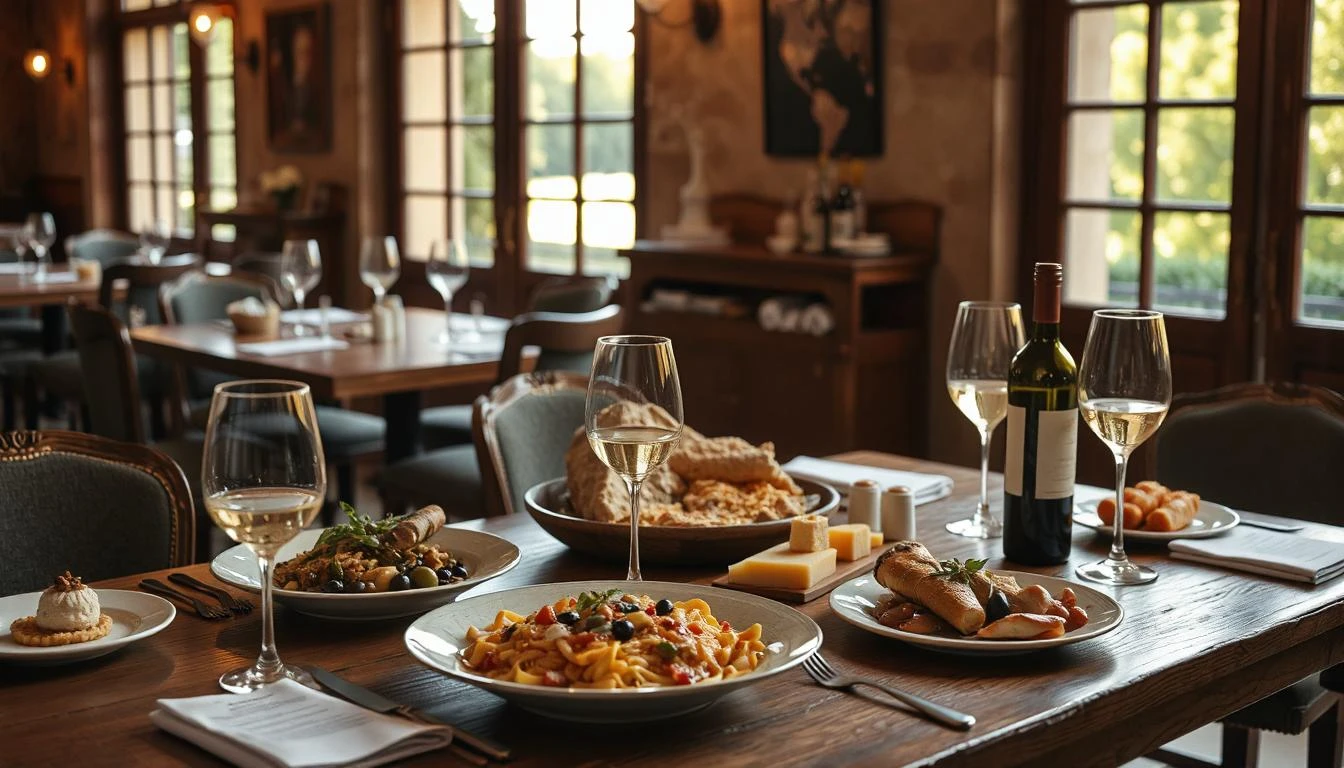
Crisp white wines such as Pinot Grigio or Verdicchio are ideal for seafood and light pasta dishes. Their acidity enhances freshness, balancing olive oil richness and seafood sweetness, resulting in a clean and refreshing palate experience.
Sparkling wine with appetizers and desserts
Sparkling wines like Prosecco bring brightness and effervescence to the table. They cleanse the palate between bites and elevate both savory appetizers and light desserts, adding a celebratory tone to the entire meal.
Common Pairing Mistakes to Avoid
Even experienced food lovers sometimes overlook critical pairing principles, leading to imbalanced dining experiences. Understanding these mistakes helps refine your palate and improve overall enjoyment.
The keyword italian wine food pairing becomes especially relevant here, as many errors occur when people ignore structural balance and focus only on preference rather than compatibility.
Overpowering flavors mismatch
One of the most common mistakes is pairing strong wines with delicate dishes or vice versa. This disrupts balance and diminishes the subtle characteristics of both food and wine.
Ignoring wine intensity levels
Wine and food must match in intensity. A light dish paired with a heavy wine creates imbalance, while a bold dish paired with a light wine can feel incomplete or flat.
Wrong temperature serving issues
Serving temperature significantly affects taste perception. Whites served too cold lose aroma, while reds served too warm lose structure, disrupting the intended harmony of the pairing.
Master italian wine food pairing Now
Mastering Italian wine pairing is not about memorizing rules, it is about developing sensory awareness and cultural understanding. The more you practice, the more intuitive it becomes, turning every meal into a curated experience rather than a routine activity.
At this stage, italian wine food pairing evolves from knowledge into instinct. You begin noticing how acidity brightens richness, how tannins structure flavor, and how regional traditions influence every bite. As food critic James Suckling notes, “Great wine pairing is not about complexity, but clarity of purpose,” reminding us that simplicity often leads to perfection.