Italian Wine And Food Culture Guide
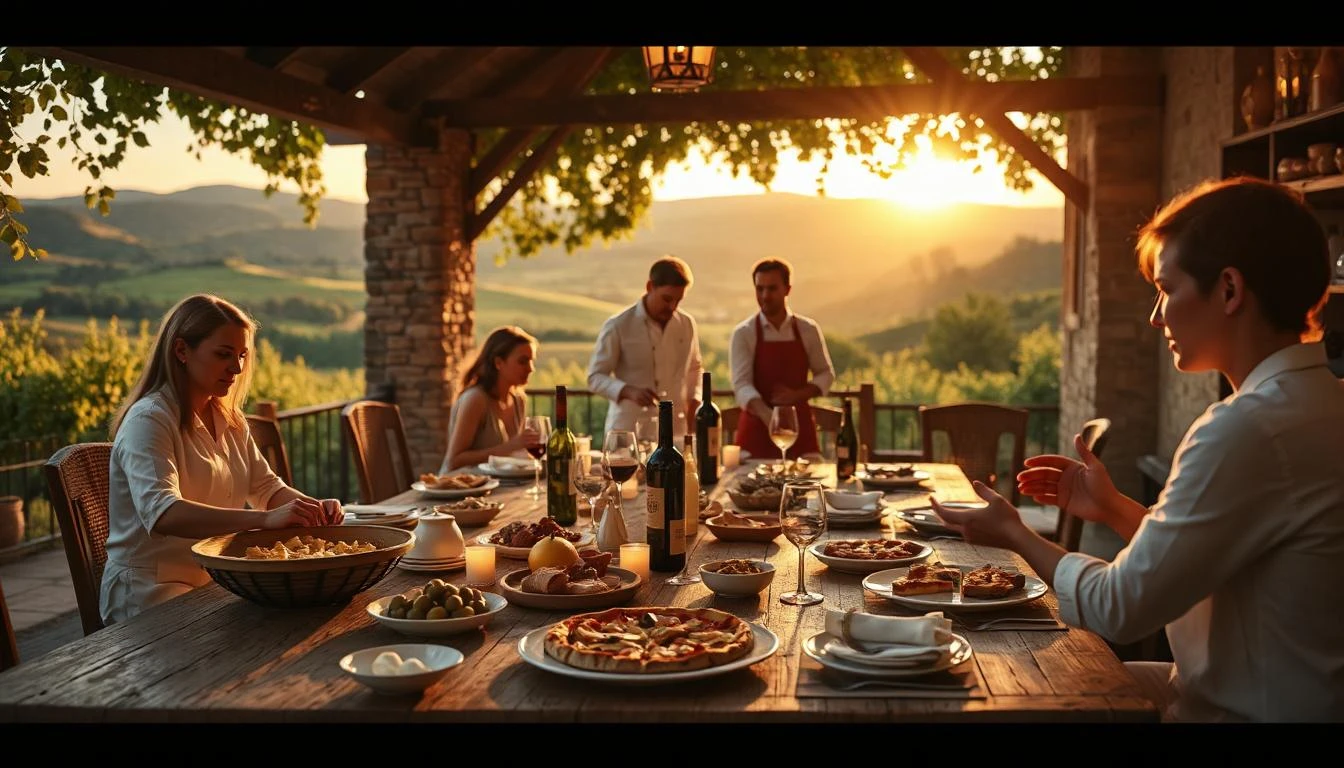
Italy is not just a destination, it is a sensory conversation between land, tradition, and time. Every region whispers its own culinary dialect, shaped by generations who treat food and wine as an extension of identity rather than consumption. When you begin to explore this world, you are not simply learning recipes or tasting beverages, you are entering a cultural rhythm that has been refined over centuries.
At the heart of this experience lies italian wine food culture, a living tradition where vineyards, kitchens, and family tables are interconnected in ways that feel both ancient and refreshingly alive. It is a system of taste, memory, and emotion that continues to define how Italy is experienced today.
Understanding Italian Wine Culture
Italy’s wine identity is not built on trends but on centuries of agricultural wisdom and regional pride. Each bottle reflects geography, climate, and human patience, forming a narrative that extends far beyond taste.
The evolution of vineyards across Italy reveals how deeply land and lifestyle are intertwined. Ancient traditions still influence modern production methods, creating wines that feel timeless yet continuously evolving. The emotional depth of wine appreciation here is often described by food scholar Massimo Montanari, who states, “Italian cuisine is a system of relationships, not just recipes.” His perspective reflects how wine culture in Italy is never isolated, it always exists within human connection and shared experience.
History of wine in Italy
Wine production in Italy traces back thousands of years, shaped first by Etruscan cultivation and later refined by Roman innovation. Amphorae discoveries and ancient vineyard records highlight how early Italians already understood fermentation science long before modern technology existed.
Regional wine traditions
From Alpine vineyards to volcanic soils in the south, Italy’s regional diversity creates an unmatched spectrum of wine profiles. Each region carries its own identity, influenced by soil composition, altitude, and microclimate variations.
Role of wine in Italian lifestyle
Wine is integrated into everyday life rather than reserved for special occasions. Meals often include a modest serving of local wine, reinforcing balance, moderation, and appreciation.
Connection Between Wine and Food Culture
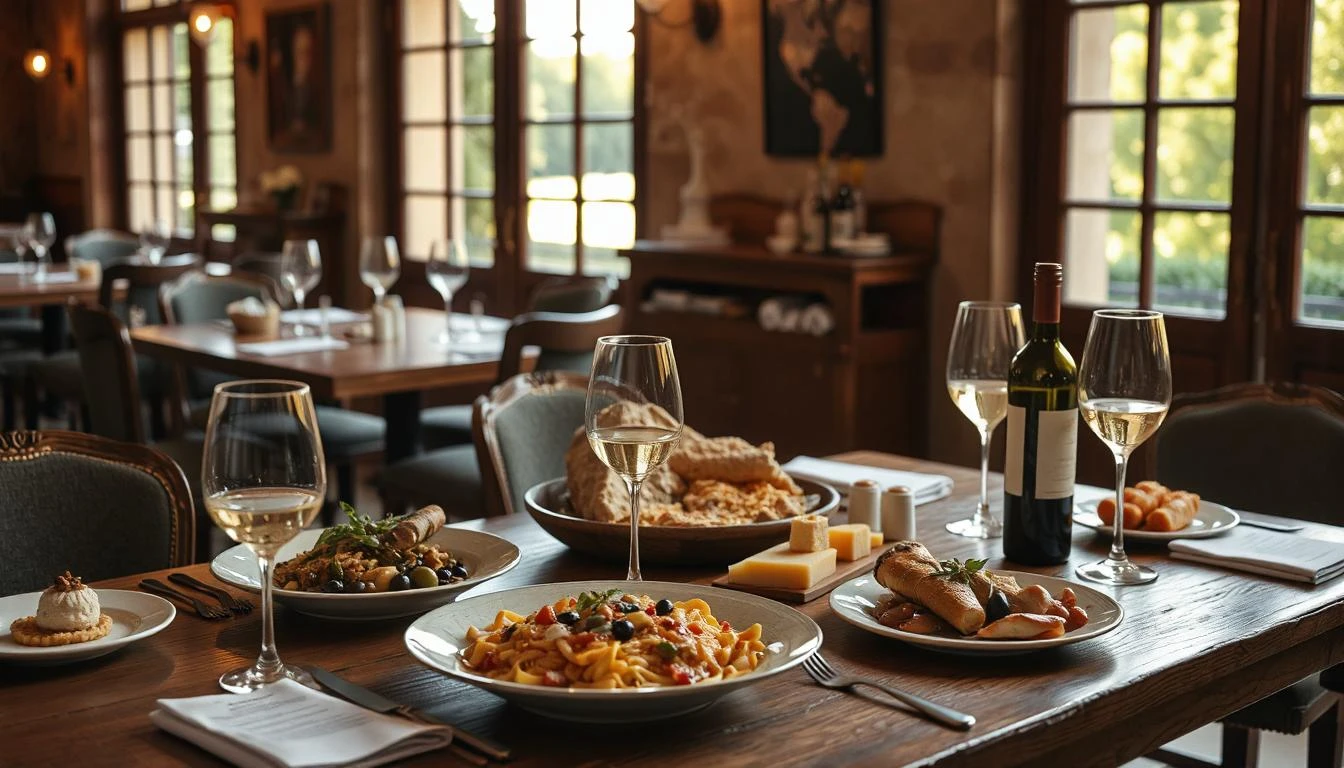
Food and wine in Italy do not compete, they converse. Every pairing is shaped by instinct, tradition, and generational knowledge rather than strict rules. This harmony is one of the defining elements of Italian culinary identity.
In many households, meals are treated as shared rituals rather than individual routines. This is where italian dining culture naturally emerges, reflecting a lifestyle where eating is a social experience rather than a necessity. Food historian Lidia Bastianich once explained, “Italian meals are about togetherness; the table is where life happens.” Her insight captures the emotional core of Italian dining, where food and wine become vehicles of connection.
Wine in daily Italian meals
Wine pairing in Italy is intuitive. Light whites complement coastal seafood dishes, while bold reds enhance rich pasta sauces and grilled meats. This balance reflects a deep understanding of flavor harmony.
Festivals and wine celebrations
Seasonal festivals across Italy celebrate harvest cycles, especially during Vendemmia. These events transform villages into communal spaces filled with music, food, and open wine tasting.
Social importance of wine culture
Wine acts as a social bridge, encouraging conversation and strengthening relationships. Meals often extend for hours, turning dining into an experience rather than a routine.
Famous Wine Regions in Italy
Italy’s wine geography is a tapestry of distinct identities. Each region contributes unique characteristics to the broader story of national wine culture. The diversity of landscapes, from coastal plains to mountainous vineyards, creates a natural laboratory for flavor development. This geographic variety is one of the reasons Italian wines remain globally respected.
Long-tail searches such as “best Italian wine regions for first-time travelers” or “how terroir affects Italian wine flavor profiles” reflect growing global curiosity about regional distinctions.
Tuscany wine heritage
Tuscany represents elegance and tradition, known for iconic wines such as Chianti Classico. Its rolling hills and historic estates create a visual and cultural symbol of Italian winemaking.
Piedmont and Veneto regions
Piedmont produces structured, age-worthy wines like Barolo, while Veneto offers vibrant sparkling Prosecco. Together, they represent contrast within harmony.
Southern Italy wine culture
Southern regions such as Sicily and Puglia produce bold wines shaped by intense sunlight and fertile volcanic soil, resulting in rich and expressive flavor profiles.
Explore Italian Wine Culture And Traditions Today
Modern exploration of Italy’s wine culture goes beyond tasting, it involves immersive experiences like vineyard tours, cooking workshops, and guided pairings that reveal deeper layers of tradition.
Wine critic Jancis Robinson once noted, “The greatest wines are those that speak clearly of where they come from.” This idea perfectly aligns with Italy’s philosophy, where terroir and identity are inseparable.
Today’s global interest in Mediterranean cuisine synergy, terroir-driven wine pairing, and culinary tourism shows how italian wine food culture continues to inspire new generations of food enthusiasts.