Italian Wine Reviews And Tasting Guide
Wine has always carried a quiet kind of authority, something that doesn’t shout, but gently pulls you in. In Italy, this culture is not just about drinking; it’s about interpreting land, tradition, and time itself through a glass. Every bottle holds a coded story waiting to be unraveled by anyone willing to pay attention.
What makes this journey even more compelling is how the italian wine tasting guide becomes a bridge between curiosity and understanding. It doesn’t just teach you how to taste, it reshapes how you perceive aroma, structure, and emotion inside wine. Once you step into it, every sip starts feeling like a conversation rather than a habit.
Introduction to Italian Wine Tasting
Italian wine tasting is more than technique, it’s a sensory discipline that blends observation, patience, and cultural awareness. Before diving into specific wines, it’s important to understand how Italians treat wine as a living expression of their land.
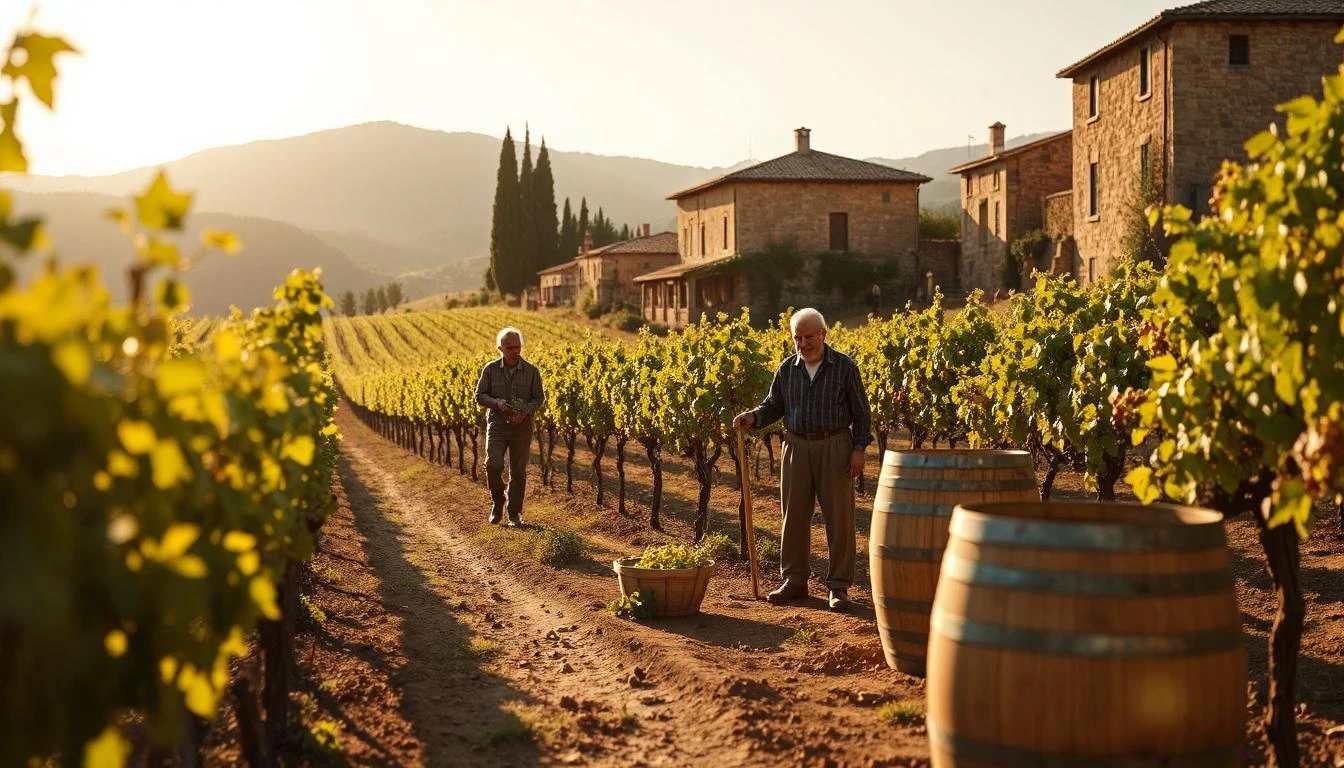
The beauty of this journey lies in how it connects tradition with modern appreciation. As you explore deeper, you begin noticing that every region speaks its own dialect of flavor, shaped by soil, altitude, and climate. italian wine reviews often highlight this regional complexity, showing how no two bottles ever tell the same story even when they come from neighboring vineyards.
Basics of wine tasting techniques
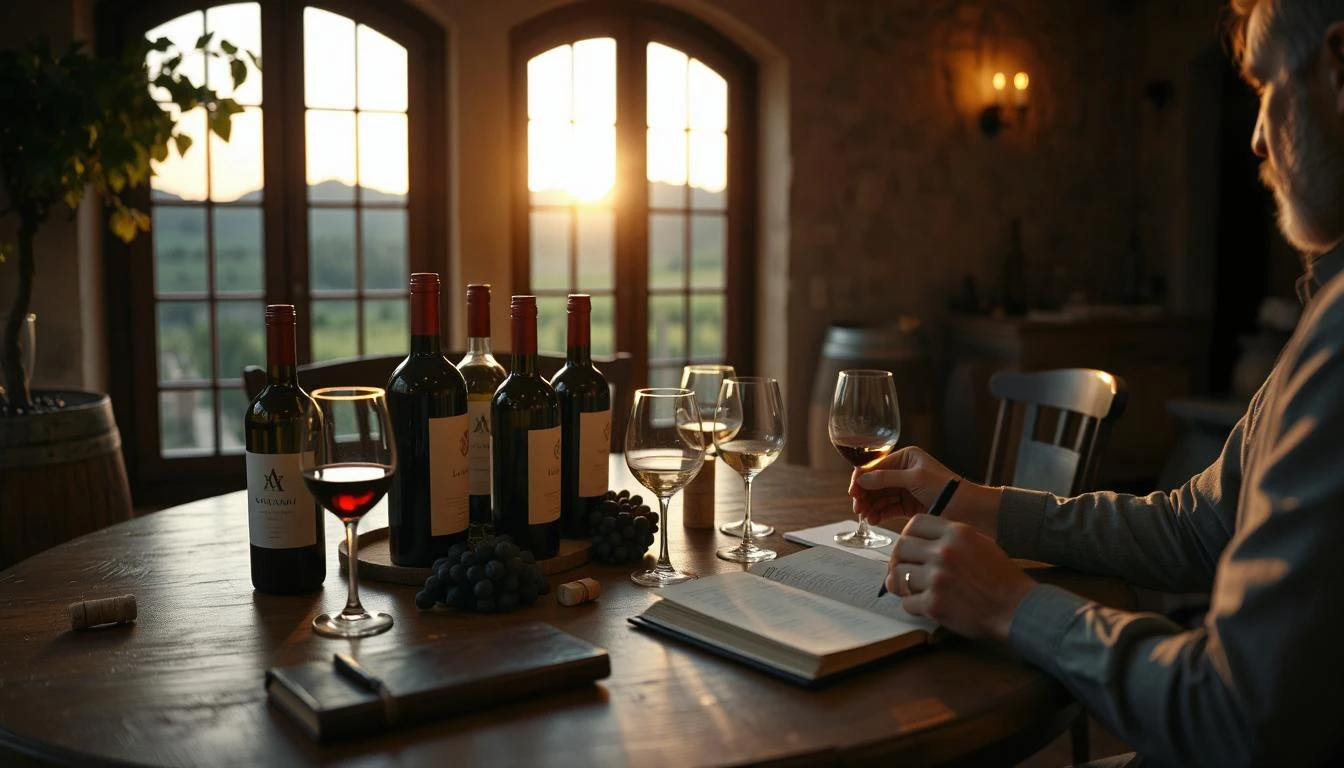
Wine tasting begins with a structured sensory flow: visual inspection, aroma assessment, and palate evaluation. Swirling the glass is not just aesthetic, it releases volatile compounds that reveal hidden aromatic layers like cherry, tobacco, citrus peel, or dried herbs.
Understanding wine aroma and flavor profiles
Aroma is where wine first reveals its personality. Italian wines often carry layered notes ranging from floral and fruity to earthy and mineral-driven. These combinations form what experts call the aromatic identity of the wine.
Overview of Italian wine regions
Italy’s geography is a mosaic of wine identities. Tuscany is known for elegance and structure, Piedmont for depth and intensity, Veneto for freshness, and Sicily for volcanic complexity. Each region adds a different emotional tone to the tasting experience.
Popular Italian Wines Review
Italian wines are globally respected not only for their taste but for their ability to reflect history in every sip. Exploring different styles helps you understand how tradition and innovation coexist in Italian winemaking.
Before diving into specific categories, it’s worth noting how winemakers carefully balance old-world techniques with modern refinement, ensuring consistency without losing authenticity. The italian wine tasting guide becomes especially useful here as it helps decode structural differences between reds, whites, and sparkling wines in a meaningful way.
Red wines from Tuscany and Piedmont
Tuscany’s Sangiovese-based wines like Chianti deliver bright acidity and rustic charm, while Piedmont’s Nebbiolo grapes create structured wines with strong tannins and long aging potential.
White wines from northern Italy
Northern Italy produces crisp, refreshing whites such as Pinot Grigio and Soave. These wines are known for citrus-driven freshness, light body, and food-friendly versatility.
Sparkling wines like Prosecco
Prosecco represents Italy’s playful yet refined sparkling tradition. Produced mainly in Veneto, it offers fruity notes, soft bubbles, and an approachable style that appeals to both beginners and enthusiasts.
italian wine reviews frequently emphasize Prosecco’s accessibility, making it one of the most widely consumed sparkling wines worldwide.
How to Properly Taste Wine
Learning how to taste wine properly transforms drinking into analysis. It’s about slowing down, observing carefully, and letting each sense contribute to the final impression.
The process is structured yet deeply personal, and every individual may interpret the same wine slightly differently depending on sensitivity and experience.
Visual inspection of wine color
Color provides the first clues about age, grape variety, and winemaking technique. A deeper ruby often suggests youth, while lighter or brick-toned hues indicate aging.
Smell and aroma identification
Nosing the wine reveals its complexity. You might detect fruit, spice, oak, or even earthy undertones like forest floor or wet stone, depending on the wine’s origin.
Taste balance and finish evaluation
On the palate, balance is key. Acidity, sweetness, tannins, and alcohol must harmonize. The finish, how long flavors linger, often defines quality perception.
Sommelier Marco Bellini once noted, “Wine speaks most clearly when you stop rushing it and start listening,” highlighting the importance of patience in tasting.
Start Your Italian Wine Tasting Journey Today
Exploring wine is not about memorizing flavors but about building awareness through repetition and curiosity. Each bottle becomes a new reference point in your sensory memory. The italian wine tasting guide encourages you to explore slowly, starting with approachable wines before moving toward more complex labels. This progression builds confidence and depth of understanding over time.
Wine expert Lucia Romano explains, “The best tasters are not the ones with perfect palates, but the ones who stay curious long enough to notice change.” Her insight reflects the essence of learning through experience rather than theory.